

Your kitchen is the heart of your home. It is where you make breakfast, feed your family, and probably spend more time than you think.
Now everyone is talking about smart appliances. Your neighbor has a fridge that orders milk. Your coworker controls their oven from the office.
Should you jump in too?
Here is how to actually decide. No hype. No sales pitch.
Start With Your Actual Problems

Before anything else, figure out what is actually bothering you in the kitchen.
Is your oven slow to preheat? Does your coffee take too long in the morning? Do you always forget what is in your fridge when you are at the store?
Write down your three biggest kitchen frustrations. Be specific.
According to CNET, the best smart kitchen upgrades solve real problems. They do not just add features for the sake of it.
If your current appliances work fine and do not frustrate you, that is your answer right there.
Do the Math on Cost vs Benefit
Smart appliances cost 30-50% more than regular ones. That is not small change.
A regular oven might run you $500. A smart version with the same cooking quality? Easily $900-1,200.
Now ask yourself: how much time does that feature actually save you per week?
Five minutes a day is 30 hours a year. Is five minutes of convenience worth $700 to you? Only you can answer that.
According to The Spruce, most people use only two or three smart features regularly. The rest? Gimmicks they forgot about.
So do not pay for features you will never use.
Think About Your Tech Comfort Level
Be honest with yourself. How comfortable are you with apps and new technology?
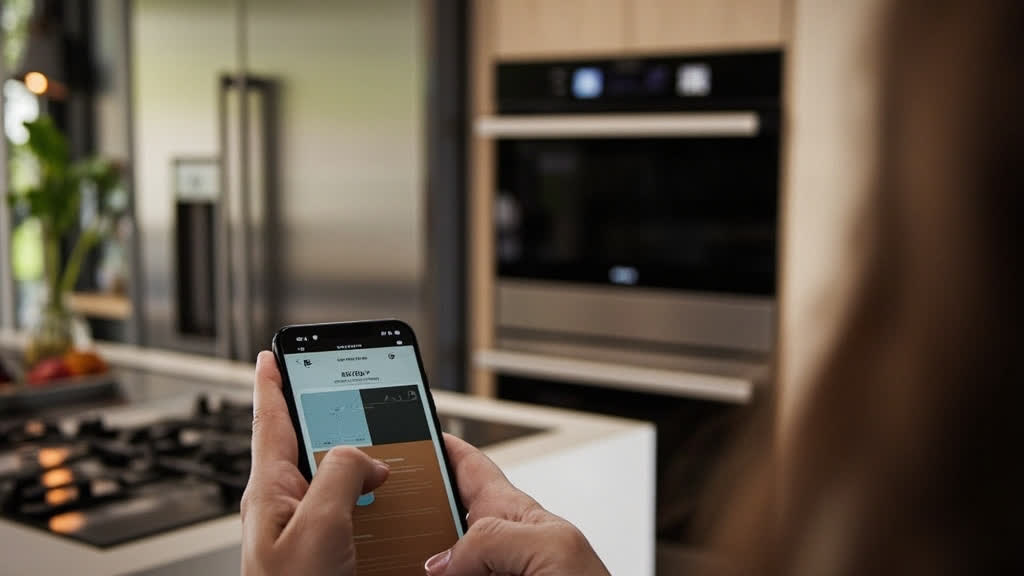
A smart oven is useless if you find the app confusing. You will just end up using it like a regular oven and paying extra for nothing.
On Reddit, one user put it bluntly:
“My mom tried to use the smart features once. She has not touched them since. Now she just uses the buttons like a normal stove.”
If you love figuring out new gadgets, smart appliances will feel natural. If you avoid your smartphone settings, you might want to stick with regular.
Consider Your Privacy Tolerance
This one trips a lot of people up.
Smart appliances collect data. When you use them, companies know about it.
Your cooking habits. Your grocery preferences. When you are home.
According to Consumer Reports, many smart appliance owners disable the connectivity features entirely. They paid for smart appliances but use them as regular ones.
Is that you? Would the knowledge that your habits are being tracked bother you?
If yes, buy regular appliances and save your money. If not, you might genuinely benefit from the smart features.
Check Your Home Ecosystem
Smart appliances work best when they talk to each other.
If your home already has Alexa or Google Home, smart appliances fit right in. You can say “Alexa, preheat the oven,” and it happens.
If your home has no smart devices at all, adding one smart appliance means one more app on your phone. One more thing to set up and learn.
One Reddit user explained it this way: ”
Smart appliances make sense when you already live in a smart home. Adding one smart thing to a dumb house is just annoying.”
Think About Long-Term Support
This one is boring but important.
Appliances last 15-20 years. Smart appliances? It might be less.
And when something breaks, repair costs are higher.
Companies can also drop support for older models. Your fancy oven might stop getting app updates after five years.
If you keep appliances for decades, this matters less. If you upgrade every few years, factor in that smart appliances depreciate faster.
The Compatibility Trap
Here is something nobody talks about.
Smart appliance brands do not play well together. A Samsung fridge might not work with an LG oven. A Bosch dishwasher might need its own app.
Before buying anything, check that your existing devices will work with the new one. Otherwise, you end up with five different apps and no integration.
Questions to Ask Yourself
Before you buy, run through these:
- Will I actually use this smart feature every day?
- Does this solve a real frustration?
- Can I afford the extra cost without stretching my budget?
- Is my home set up for this?
- Am I comfortable with my data being collected?
- Will this brand still support this model in five years?
If you answer “I do not know” or “probably not” to any of these, slow down. Wait. Think more.
My Take
I almost bought a smart fridge last year. I was excited about the screen and the inventory tracking.
Then I asked myself: would I actually use that? I open my fridge maybe three times a day. I knew what was in it.
I bought a regular fridge. Saved $800. No regrets.
What I bought: a smart oven. I use the preheat feature daily.
It saves me five minutes of waiting. That feature was worth every penny to me.
The lesson? Buy smart where you will actually use it. Buy regular everywhere else.
Your kitchen should work for you. Not the other way around.