

I know what you’re thinking. You’re standing in the light bulb aisle, staring at two options.
One is $15. The other is $50.
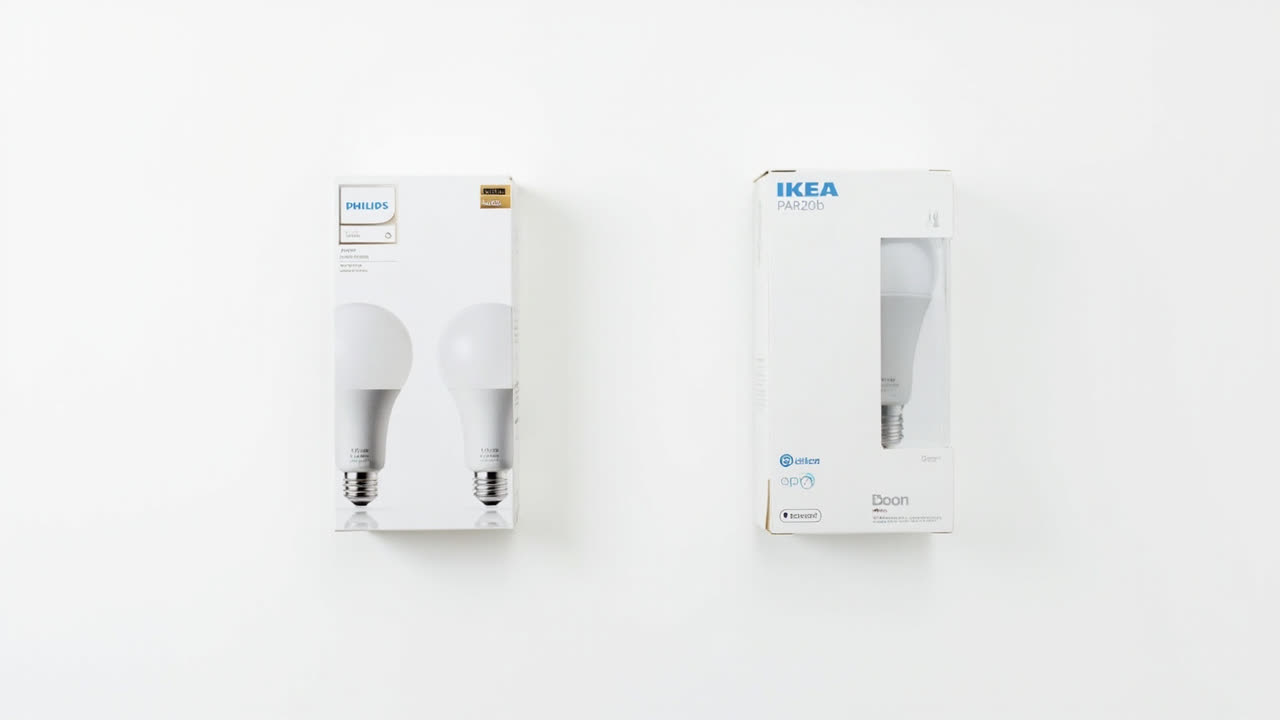
The cheap one is IKEA. The expensive one is Philips Hue. Are they even comparable?
Short answer: kind of. But the difference matters more than you think.
I spent two years going back and forth on this exact question. Here’s what I learned the hard way.
IKEA Smart Bulbs vs Philips Hue: Quick Comparison
| Feature | IKEA Smart Bulb | Philips Hue |
|---|---|---|
| Per Bulb Price | $15-$25 | $50+ |
| Hub Required | Optional (Bluetooth solo) | Required from day one |
| Hub Cost | $110 (Dirigera) | $60 (Hue Bridge) |
| Setup Difficulty | Medium (20 min hub setup) | Easy (plug and play) |
| Color Quality | Good (80% of Hue) | Excellent |
| Matter Support | Yes (all 2026 bulbs) | Yes (via Hue Bridge) |
| Ecosystem | Open (Zigbee + Matter) | Closed (Hue only) |
| Remote / Switch | $14 (STYRBAR) | $50 (Tap Switch Mini) |
| Motion Sensor | $9 (Vallhorn) | $45 (Hue Motion) |
| Best For | Full smart home, sensors, value | Lighting-focused, polish |
The Price Gap Is Real But Complicated
CNET reported that IKEA smart lights cost up to 80% less than Philips Hue. That number is real. A single Philips Hue bulb is $50.
An IKEA PAR20 smart bulb is around $15. That’s a massive gap when you’re buying six bulbs for a living room.
But here’s what the price comparison leaves out. You need a hub either way.
Philips Hue’s hub is $60. IKEA’s Dirigera hub is $110. Yeah, the IKEA hub costs more upfront.
But Philips Hue basically requires the hub from day one. With IKEA, you can run bulbs on Bluetooth and add the hub later when you’re ready.
So the real comparison is: $150 for 3 Hue bulbs plus hub, versus $140 for 2 IKEA bulbs plus hub. That’s closer than the per-bulb price suggests.
Setup: What Nobody Tells You

Here’s the part that surprised me.
Philips Hue is easier to set up. The app is better. Everything just works faster out of the box.
If you’re not confident with technology, Hue will feel less intimidating.
IKEA takes more time. The Dirigera hub setup takes about 20 minutes. The app is decent but not as polished as Hue’s.
If you follow instructions carefully, you’ll be fine. If you want to figure things out by trial and error, expect some frustration on day one.
One Reddit user on r/tradfri mentioned that the biggest headache isn’t the setup itself. It’s figuring out which generation of IKEA gear you have.
Older TRÅDFRI devices and newer Matter devices don’t always play nicely together. Buy new, buy consistent.
Quality: Where the Difference Shows
Both brands deliver good smart lighting. Here’s where they differ.
Philips Hue has better color accuracy. The app is more refined. The selection is massive.
If you want outdoor-rated bulbs, light strips, or precise color temperature control, Hue wins.
IKEA’s color quality is fine for most people. The 2026 Matter-compatible bulbs have closed the gap significantly. One Reddit comment noted that the new IKEA bulbs feel like a generation behind Hue on color richness, but 80% of the way there at 30% of the price.
If you’re particular about lighting quality, Hue matters. If you want “smart light that changes color and doesn’t look weird,” IKEA is good enough.
Remotes and Sensors: The Hidden IKEA Win
This is where IKEA crushes it.
A Philips Hue Tap Switch Mini is $50. IKEA’s STYRBAR remote is $14. For motion sensors, Hue charges $45.
IKEA’s Vallhorn is $9.
That’s not a typo. CNET notes that IKEA’s sensor prices beat most budget brands including Aqara and Sonoff, not just Hue.
If you’re building a complete smart home with multiple sensors and remotes, IKEA saves you serious money. A full starter setup with hub, 4 bulbs, a motion sensor, and a remote runs around $200 from IKEA. The same setup from Hue is $350+.
Ecosystem: What You’re Buying Into
Philips Hue has a closed ecosystem. Bulbs from other brands won’t work seamlessly with the Hue hub.
That’s by design. Everything is optimized to work together and it shows.
IKEA uses standard Zigbee plus Matter. That means if you decide to switch hubs later, your IKEA bulbs will probably work with the new system. With Hue, you’re locked in.
Both work with Alexa, Google Home, and Apple HomeKit. No real difference here.
Long-Term Reliability
One Reddit user described their IKEA setup running for two years with minimal intervention. Hue has a reputation for being rock solid. Both will last if you don’t abuse them.
The app support matters here. Philips Hue has a larger team behind continuous improvement.
IKEA’s app updates feel slower. That’s the trade-off for the lower price.
The Honest Decision Guide
Buy Philips Hue if: you want the smoothest experience, you’re building a lighting-focused setup, and you don’t mind paying for quality. You’ll spend more upfront but the experience is polished.
Buy IKEA if: you want the best value, you’re building a full smart home with sensors and remotes, and you appreciate the flexibility of Matter. You’ll spend less and get 80% of the quality.
The truth is, neither is wrong. Both brands work. The question is what you value and what you’re trying to build.
Check IKEA’s smart home range and Philips Hue’s website to compare current pricing in your region.
Have a specific question about which to choose for your setup? Drop it below.
