

Here’s the thing about IKEA’s smart home lineup. Nobody talks about it without sounding a little surprised. Like, wait, IKEA does that?
I spent way too long last year trying to figure out which IKEA smart devices were actually worth buying versus which ones would gather dust in a drawer forever. What I found might save you some trouble.
CES 2026 brought 21 new IKEA products using Matter over Thread. That’s the big news. Not everything is worth your money. Here’s what actually holds up.
Varmblixt Smart Donut Lamp
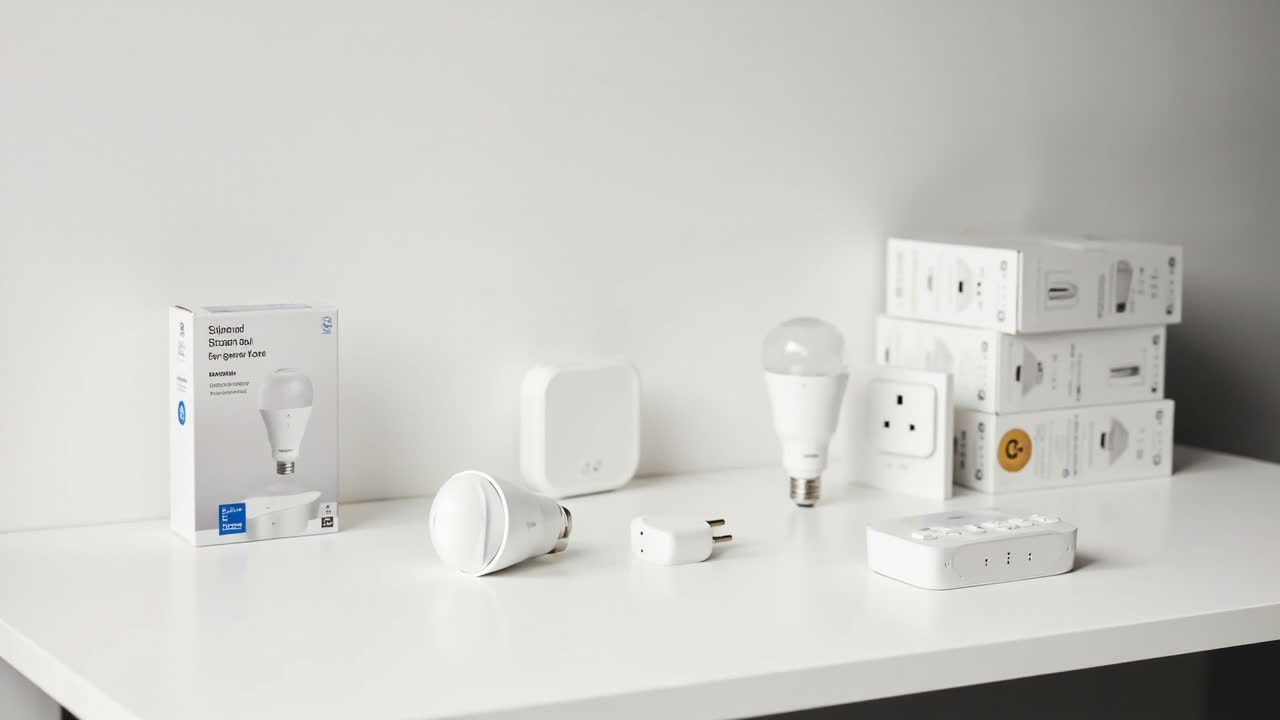
This is the showstopper.
The Varmblixt started as a design collaboration with Rotterdam-based designer Sabine Marcelis. The original was gorgeous but limited. The 2026 version adds Matter support, and suddenly it’s part of your whole smart home instead of just sitting there looking pretty.
CNET’s CES coverage called it one of the standout products. You get 12 preset colors out of the box with the included Bilresa remote.
No hub needed for basic color cycling. Spend the $110 on the Dirigera hub to unlock 40 colors, plus scheduling and automation.
The lamp itself is torus-shaped, which you can place on a shelf or mount on a wall. Stack a few, and you get this sci-fi vibe that’s genuinely hard to describe. People who see it ask about it.
One caveat: it’s not cheap. You’re paying for the design as much as the smarts. But if you want one smart home piece that actually makes a room look better, this is it.
Varmblixt Smart Pendant Light
The pendant version dials back the color options. It does white light only, ranging from warm cozy yellow to cool daylight. That’s actually all most people need.
The three curved light bars create this layered glow that’s perfect over a kitchen table. TechRadar picked it as one of the 5 best gadgets from IKEA’s CES announcement.
Installation is straightforward if you’ve hung a light before. If not, pay someone to do it.
Same Matter compatibility as the donut lamp. Same remote works. Same ecosystem.
DIRIGERA Hub
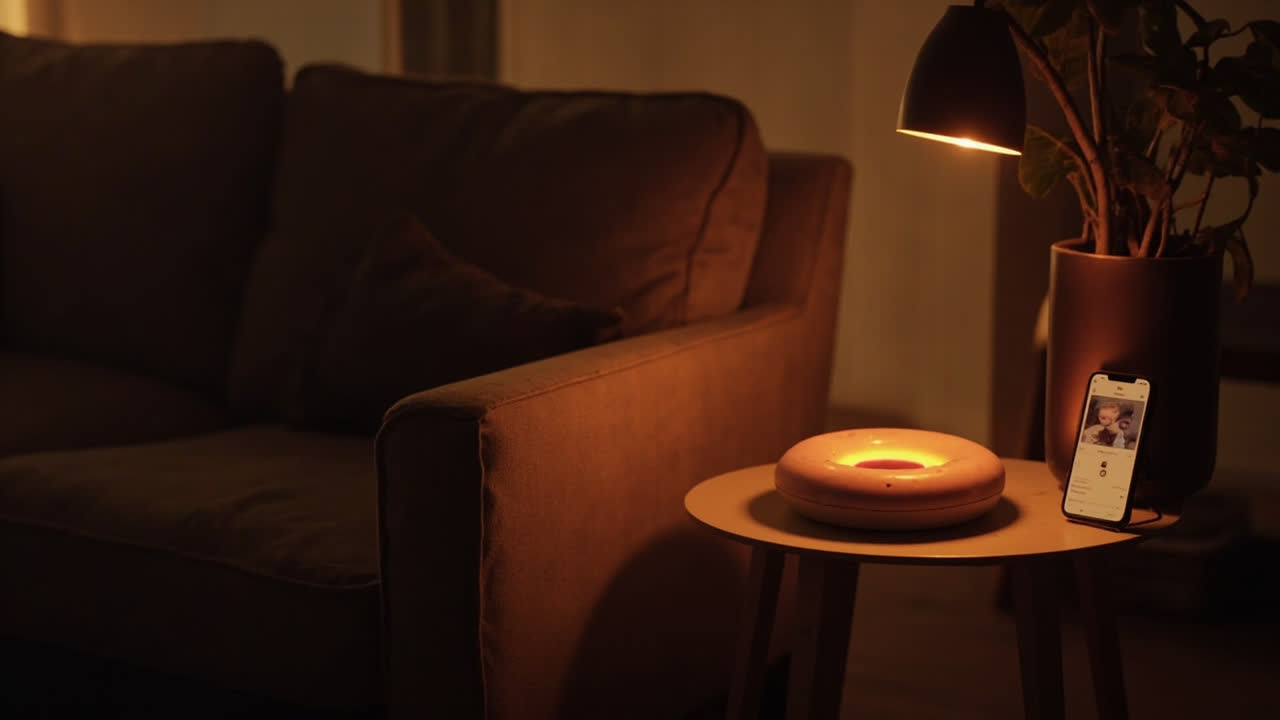
Look, I know 0 sounds like a lot when you’re just curious about smart lights. But the Dirigera hub is the backbone of the whole system.
Without it, you’re limited to Bluetooth-range control and basic on-off switching. With it, you get scheduling, automations, voice control through Alexa or Google Home, and full Matter integration. One Reddit user on r/tradfri described their experience:
once everything was connected through the hub, it just worked.
If you’re buying more than two smart devices, the math makes sense. Three bulbs at $15 each, plus the hub, puts you at $155. Compare that to Philips Hue, where a single bulb costs $50 and the hub costs $80.
STYRBAR Remote
$15 to $20 and genuinely useful.
The problem with smart homes is guests. They don’t have the app. They don’t know how to ask Alexa. They just want to turn the light off.
The STYRBAR remote solves that.
Stick it on a nightstand or mount it near a door. You get four buttons to control any devices you pair. Dimming, scene switching, on-off. Whatever you want.
The battery lasts for ages. The CR2032 is standard and replaceable. One Reddit comment mentioned their STYRBAR remote has been running for two years on the original battery.
Grillplats Smart Plug
$8. Available April 2026. This is the entry point. Plug anything into it. Lamp, coffee maker, fan.
Now it’s smart. You can schedule it, automate it, and control it from your phone.
CNET mentioned it specifically as one of the more affordable entries into the ecosystem. For , you can test whether you actually use smart plugs before committing to a full setup.
The only downside: it’s not available yet. Mark your calendar for April.
PAR20 Smart Bulbs
These are the workhorses.
Most people start with smart bulbs, and there’s a reason. They’re dead simple to set up, they work immediately, and they solve a real problem.
Falling asleep with the lights on? Auto-off at 11pm. Coming home late? Auto-on at sunset.
The PAR20 format fits most standard lamps and fixtures. The color temperature range is solid, the brightness is comparable to non-smart LED bulbs, and at around $15 each, they won’t break the bank if you buy four.
One tip from experience: don’t buy a mix of old TRÅDFRI and new Matter bulbs. Stick to one ecosystem. The pairing issues aren’t worth the headache.
SKAFTSÄRVLED Smart Blinds
Okay, these are a commitment. $100 to $200, depending on your window size.
But people who have them seem to genuinely love them. Automate your blinds to open at sunrise and close at sunset.
Or just wake up with the light. It sounds gimmicky until you do it for a week, and then you can’t go back.
The 2026 versions integrate with Matter, which means a cleaner setup and better compatibility with third-party systems. The installation takes about 20 minutes, according to most reviews. Yes, you do need to measure your windows carefully before ordering.
The Motion Sensor
Not glamorous. Not exciting. Just $20 and useful.
Put one near your front door. Automate the hallway light to turn on when someone walks by at night.
That’s it. That’s the product.
Battery life is decent. Placement matters more than with premium sensors.
Don’t put it near heating vents or anywhere with direct sunlight. That causes weird flickering behavior nobody enjoys.
Which Should You Actually Buy First?
Here’s the honest order.
Start with the DIRIGERA hub. Everything else depends on it.
Then grab two PAR20 smart bulbs. That’s your test. See if you actually use scheduling and voice control before spending more.
Third: the STYRBAR remote. Because guests exist, and they need to turn things off too.
Fourth: the Grillplats smart plug, once it launches in April. $8 to add something clunky like a coffee maker to your automations is cheap thrills.
Fifth: upgrade based on what you actually want. Blinds if you’re tired of manual curtain work. The Varmblixt is if you want your living room to feel like a spaceship.
What to Skip
The stuff that looks cool but probably isn’t worth it for beginners: the Kallsup smart speaker. It’s $40 and sounds mediocre. A dedicated Sonos or Echo is twice the price but four times the sound quality.
Also, skip the first-generation TRÅDFRI gear if you can find it cheap. The compatibility headaches with new Matter devices aren’t worth the discount.
The Honest Verdict
IKEA isn’t winning awards for the most advanced smart home system. But they’re winning for value. Every device undercuts the name-brand competition by a significant margin, and the 2026 Matter integration finally addresses the old criticism that everything was too proprietary.
You’re not getting the smoothest experience. Philips Hue still has that crown. But you’re getting 80% of the functionality at 40% of the price.
For beginners specifically, that’s a good trade. You can figure out what you actually want from a smart home without spending enough to regret it.
Check IKEA’s full smart home range to see what’s available in your region. Some products hit different markets at different times.
—
Got questions about a specific device? Drop them below.
