

So you need a video doorbell. There are way too many options in 2026; prices go from $50 to $250, and every brand claims to be the best. I went through the specs, so you do not have to.
The Three Tiers
Here is how the market breaks down.
Budget: $50 to $90. Mid-range: $100 to $150. Premium: $180 to $250.
The differences between tiers are not just about resolution. Smart alerts, storage options, and which ecosystem the doorbell lives in matter just as much.
What Actually Matters
Resolution is important, but it is not everything.
A 180-degree doorbell like the Tapo shows way more of your porch than a 120-degree model. If you live in an apartment or your door opens close to the street, that extra width matters more than 4K resolution. Weirdly specific, but you will thank me when you can actually see the delivery person leaving a package.
Smart alerts are where the real value difference shows up. Nest gives you the most for free. Ring gives you the least. That gap affects your actual cost of ownership more than the upfront price tag.
Storage is another thing people overlook. Local SD card storage on the Tapo and Wyze means zero ongoing costs. Cloud-only on Ring and Arlo means $60 to $100 per year. That is real money over a few years.
Best Smart Video Doorbells 2026: Direct Comparison
| Doorbell | Price | Video | Smart Alerts (Free) | Storage | Ecosystem |
|---|---|---|---|---|---|
| TP-Link Tapo D225 | ~$80 | 2K | People, packages | SD card | Tapo app only |
| Wyze Doorbell | ~$55 | 1080p | People | SD card | Alexa only |
| Ring Battery Plus | ~$120 | 1080p HDR | No | Cloud | Alexa |
| Nest Battery (2nd gen) | ~$120 | 1080p | People, packages, animals, vehicles | Cloud | Google Home |
| Ring Wired Pro | ~$180 | 4K | No | Cloud | Alexa |
| Nest Wired (3rd gen) | ~$180 | 1080p HDR | People, packages, animals, vehicles | Cloud | Google Home |
| Arlo Essential Wired | ~$150 | 2K | No | Cloud | Alexa, Google, HomeKit |
Budget Tier: Under $90
The budget tier used to be junk. It is not anymore.
TP-Link Tapo D225
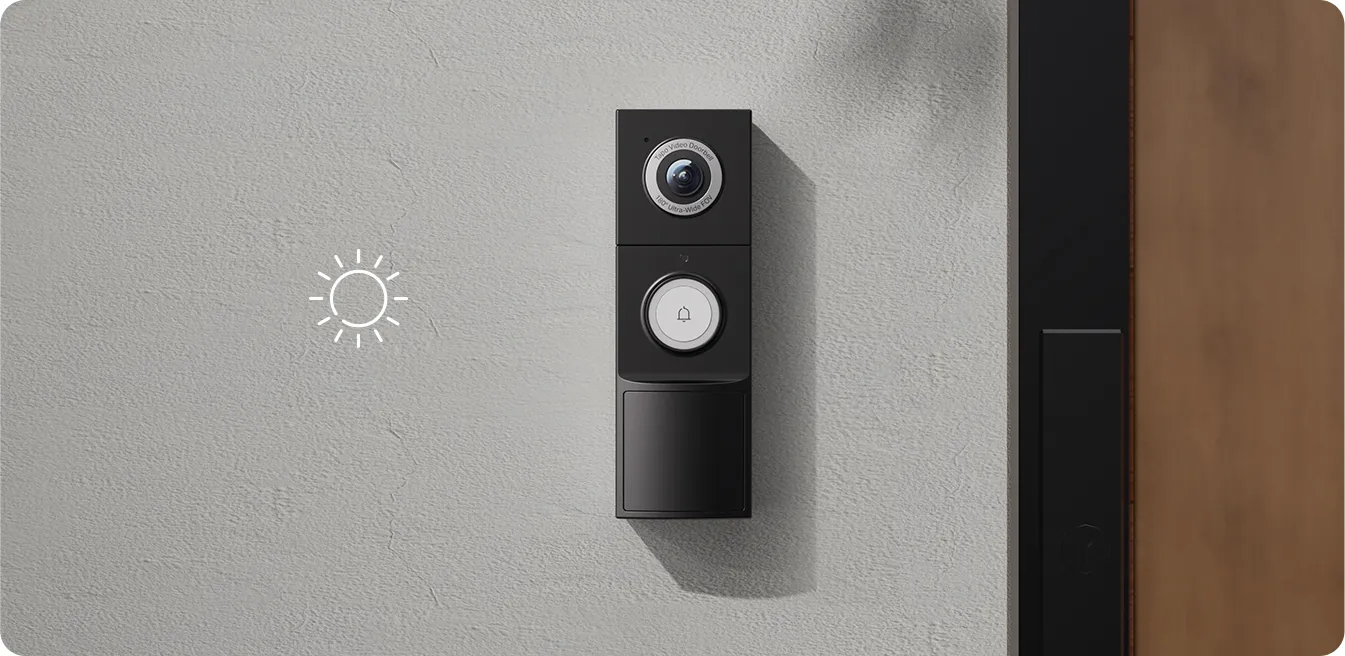
The Tapo D225 is Wirecutter’s budget pick for 2026, and it actually deserves it. You get a 2K video with a 180-degree field of view, which is wider than most doorbells that cost twice as much. Free smart alerts for people and packages.
Local storage via SD card.
No HomeKit or Google Home integration, which is bad if you use those ecosystems. But if you just want a doorbell that works without paying monthly fees, the Tapo D225, at around , is genuinely tough to beat.
Wyze Doorbell

Wyze sells a 1080p doorbell for under $60. It works with Alexa, basic alerts are free, and that is about it.
Video quality is noticeably lower than 2K competitors. The app has ads, which is exactly as annoying as it sounds. But at $55?
It covers the basics. Hard to get angry at that price.
Mid-Range Tier: $100 to $150
Most people should be shopping here.
Ring Battery Doorbell Plus
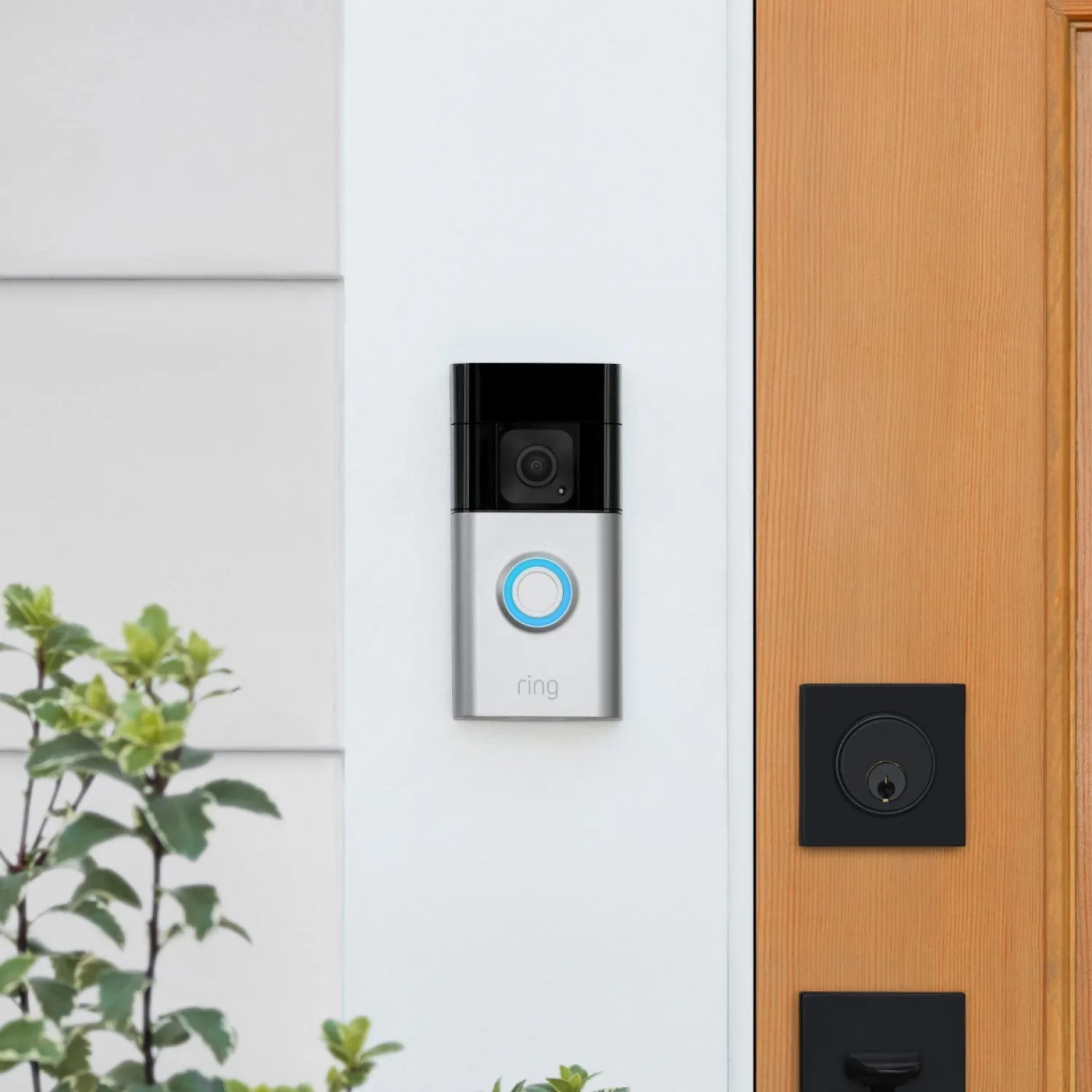
The Ring Battery Doorbell Plus costs around $120. It is the default recommendation for a reason. PCWorld calls it the best video doorbell for most people, and I am not going to fight that.
1080p HDR video. The full Ring ecosystem. The catch: smart alerts need a subscription, starting at $5 per month.
Without it, you get live view and motion notifications. That works fine for a lot of people, but it annoys me that basic recording is paywalled.
Nest Battery Doorbell

The Nest Battery Doorbell (2nd gen) also costs around $120 and runs on Google Home. CNET rates it highly, and I get why. It gives you person, package, vehicle, and animal detection for free, with no subscription required.
The field of view is narrower than the Tapo, which is a bummer if your door faces a busy street. But if you live in the Google ecosystem, the integration is seamless. It just works.
Premium Tier: $180 to $250
Premium buys you better video, smarter AI, and build quality that actually feels solid.
Ring Wired Doorbell Pro (3rd Gen)
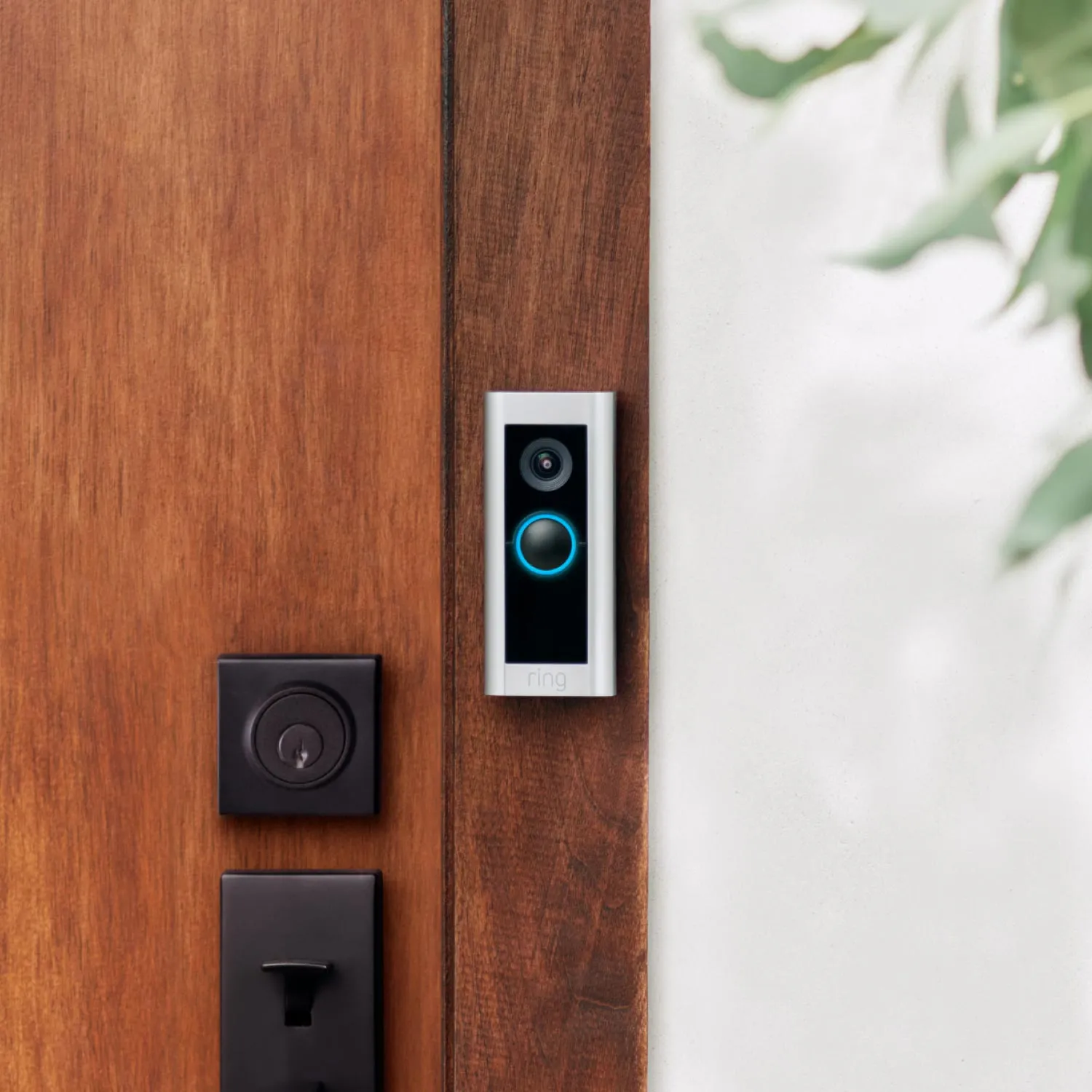
At around $180, this is Ring’s flagship. Tom’s Guide notes the 4K video is noticeably sharper than mid-range options, especially after dark.
There is a built-in radar sensor for more accurate motion detection, and in 2026, the headline is Alexa+ integration, which brings AI-powered face recognition and smarter routines.
It is a genuinely impressive piece of hardware. If you are all-in on Alexa, this is the one to get. Just do not ignore the subscription cost when you are adding it up.
Nest Wired Doorbell (3rd Gen)
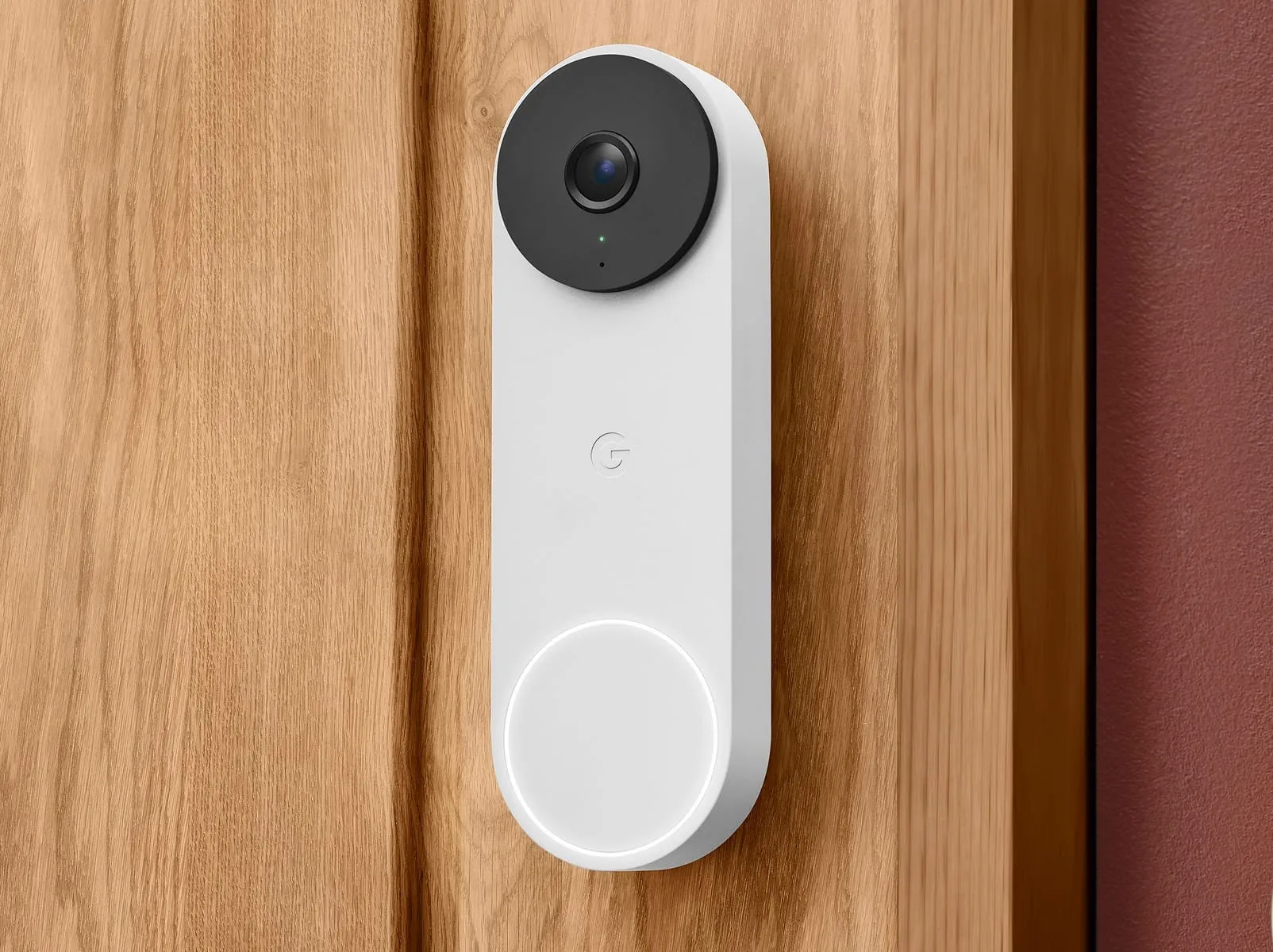
Also around $180. Wirecutter’s top pick for 2026. HDR video at 1080p, 160-degree view, and Google’s on-device AI handles smart alerts with high accuracy, even on the free tier.
Nest Aware gives you 8 hours or 30 days of event history, depending on the plan. The free tier is already useful, which is more than I can say for Ring.
Arlo Essential Wired
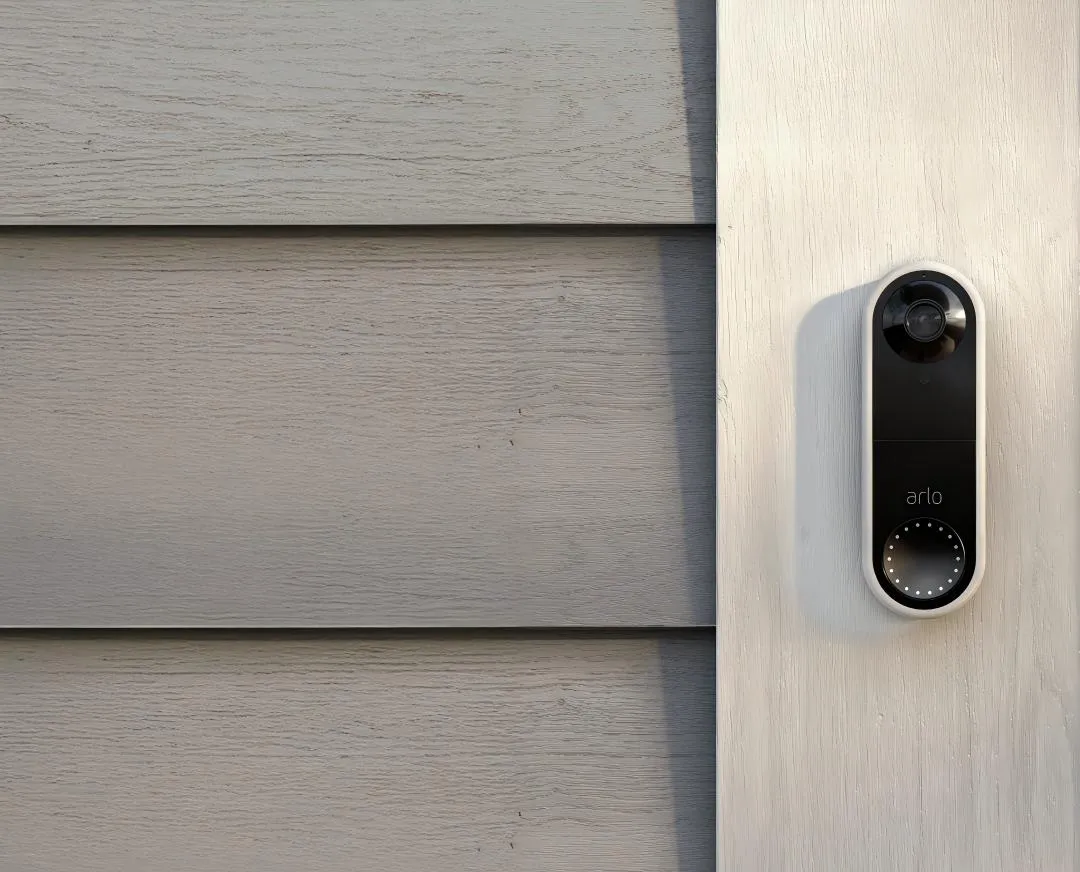
Arlo’s wired option is around $150. SafeHome points out that Arlo gives you 2K video without the Nest price tag. Works with Alexa, Google Home, and Apple HomeKit, which is genuinely rare.
The app is clean, the hardware is compact, and the subscription starts at $8 per month. Solid choice if you want 2K and cross-platform flexibility.
My Honest Recommendation
Most people should look at the Nest Battery Doorbell or the Ring Battery Doorbell Plus at $120. Both have solid video, reliable alerts, and the ecosystem tie-in is the real decision. Google Home or Alexa?
Pick one and stick with it.
If you want to skip subscriptions entirely and could care less about smart home integration, the TP-Link Tapo D225 at is the obvious pick.
If money is no object and you want the best of the best, Nest Wired Doorbell beats the Ring Wired Pro. Better smart alerts without a subscription, and the free tier is actually useful.
The one thing I would avoid: buying a premium-priced doorbell and then getting hit with subscription costs that make the total price way more than you expected. Read the fine print. Check what you get for free before you check what costs extra.
