

IKEA’s smart home lineup has always been the budget option. You know the deal. $6 smart bulbs. $10 sensors. Cheap remotes that actually work.
For years, that was the appeal. You could kit out an entire apartment without spending more than $100 on smart gear.
Then 2026 happened. IKEA launched 21 new Matter-over-Thread devices. At CES 2026, they showed off a $6 smart bulb and $10 sensors. Tech reviewers lost their minds. Finally, affordable smart home gear that works with everything.
Except… It’s been a mess.
Here’s what you need to know before you buy.
The Promise: Cheap, Matter, Works With Everything
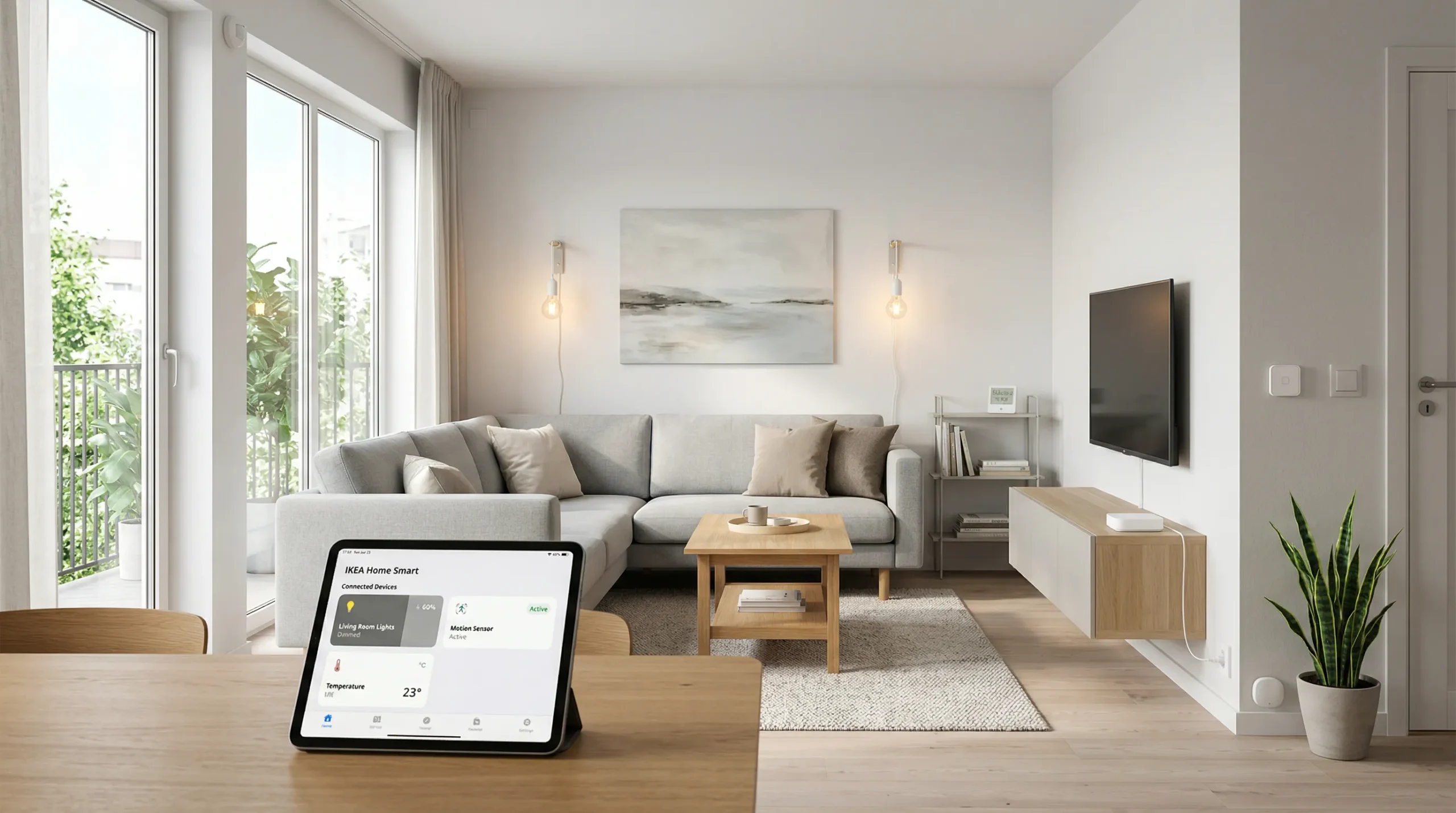
The new IKEA smart home lineup is built around Matter-over-Thread. That means it should work with Apple Home, Google Home, Amazon Alexa, and Samsung SmartThings out of the box. No proprietary hub needed. Just pair and play.
The lineup includes 21 new Matter-compatible products:
- $6 smart bulbs
- $10 motion sensors
- Door and window sensors
- Water leak sensors
- Smart buttons (like the $6 BILRESA remote)
- Temperature and humidity sensors
That’s genuinely impressive pricing. A $6 remote that can control any Matter device is the kind of price that makes you wonder why you’d ever pay $50 for a fancy switch.
The hardware is solid. IKEA makes decent hardware. The prices are real.
So what’s the problem?
The Reality: Connection Issues Are Real
9to5Mac reported that users were flooding forums with complaints. People couldn’t add devices to their networks. Onboarding would stall and time out. Devices that worked fine for days would suddenly go offline.
IKEA acknowledged the problem:
“We are aware that some customers are experiencing connection issues when setting up their devices in certain home environments, and we take that very seriously. We have a dedicated team reviewing the raised concerns and working closely with our ecosystem partners.”
Nice. But the issue seems deeper than IKEA can fix.
The Verge’s reporting found that Apple Home users were particularly affected. Devices would stall during onboarding. Some users found that repeatedly adding and removing devices left a residual state in the ecosystem. Others needed to restart both their DIRIGERA hub and Apple border router to get devices to appear.
One reviewer at A Smarter House tested all the proposed fixes. No single solution worked. The problems vary by platform, setup, and sometimes just luck.
Why This Is Happening
Here’s the uncomfortable truth. PCWorld put it bluntly:
Matter was supposed to solve smart home fragmentation. It hasn’t.
Apple, Google, and Amazon are now pursuing their own agendas. The cooperation that defined Matter’s early development has stalled. Each platform handles device onboarding slightly differently. Manufacturers like IKEA have to test with each platform individually, and bugs slip through.
The result? The same fragmentation Matter was supposed to eliminate.
One Reddit user put it bluntly:
“The new Matter devices suck and it’s disappointing.”
But they also noted:
“IKEA devices are by no means bad at all.”
The hardware works fine. The connectivity doesn’t.
What’s Actually Good in 2026
Not everything is doom. Here’s what’s genuinely good about IKEA smart home in 2026:
The price is real. $6 bulbs. $10 sensors. This isn’t a teaser price that disappears from stock. You can actually buy them.
OTA updates work. One Reddit user noted that firmware updates are pushed automatically through IKEA’s system. That’s actually better than some expensive brands that leave hardware abandoned.
Basic functionality is solid. If you just want to turn lights on and off, control them with a remote, or set up simple automations, IKEA’s hardware delivers.
The DIRIGERA hub is still useful. For advanced setups, the DIRIGERA hub gives you more control. It can act as a bridge between IKEA’s ecosystem and other Matter platforms.
What’s Not Good
Apple Home is problematic. If you’re all-in on Apple Home, IKEA’s new Matter devices might give you headaches. Multiple sources confirm that connectivity issues are most common on Apple’s platform.
Home Smart app is limited. Users report that IKEA’s Home Smart app can’t do advanced automations. You can’t even use sensors in automations within the IKEA app itself. For anything complex, you need Google Home, Apple Home, or a third-party platform.
The setup experience varies wildly. Some people set everything up in minutes. Others spend hours troubleshooting. It’s hard to predict which camp you’ll fall into.
Who Should Buy IKEA Smart Home in 2026
Good fit for:
- Budget-conscious beginners
- People who want simple, smart lighting without the premium price
- Google Home users (more stable support)
- Anyone who likes IKEA’s design language
Probably skip if:
- You’re deep in Apple Home
- You need reliable sensor-based automations right now
- You want a plug-and-play experience with zero troubleshooting
- You need devices that work perfectly 100% of the time
The Bottom Line
IKEA’s 2026 smart home lineup is ambitious. The price is right. The hardware is decent. The Matter promise is real.
But the execution is spotty. Connection issues are real, and they’re not entirely IKEA’s fault. Matter itself is going through growth pains, and IKEA’s budget devices are hitting the same walls as everyone else’s, just louder because more people are buying them.
Is it finally worth it?
Yeah, actually. With a caveat. Go in knowing what you’re getting. The $6 bulb will probably work great. The $10 sensor might need a restart or two. The whole system won’t crash, but it might hiccup.
If you can handle occasional quirks, IKEA’s 2026 lineup is the best budget entry point into Matter smart homes we’ve seen. If you need rock-solid reliability, pay more for premium brands.
