
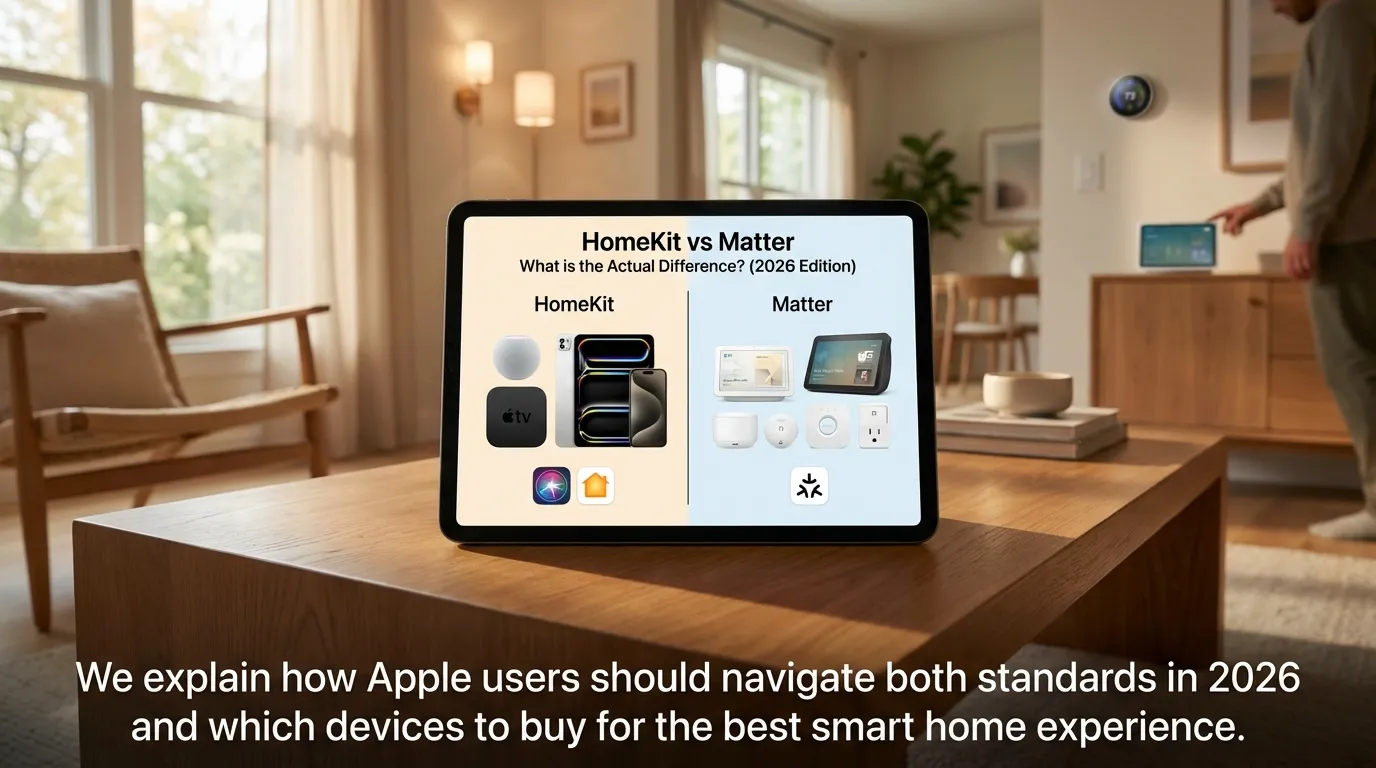
If you own an iPhone and a smart home, you have probably run into the terms HomeKit and Matter. They get mixed up constantly. Apple made it worse by using them inconsistently in marketing.
Here is the short version. HomeKit is Apple’s smart home platform. Matter is a communication protocol that works across brands. They are not the same thing, but they work together.
Quick Comparison
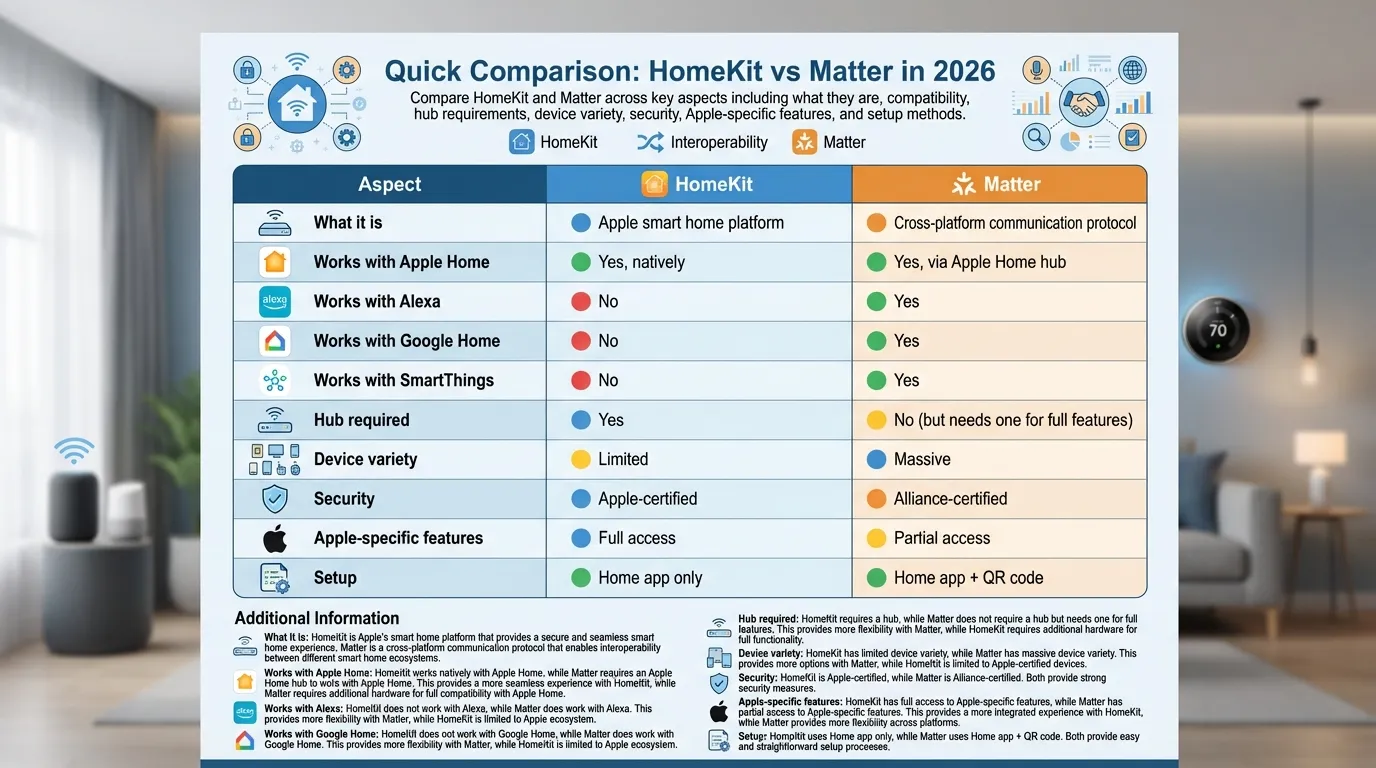
| Aspect | HomeKit | Matter |
|---|---|---|
| What it is | Apple smart home platform | Cross-platform communication protocol |
| Works with Apple Home | Yes, natively | Yes, via Apple Home hub |
| Works with Alexa | No | Yes |
| Works with Google Home | No | Yes |
| Works with SmartThings | No | Yes |
| Hub required | Yes | No (but needs one for full features) |
| Device variety | Limited | Massive |
| Security | Apple-certified | Alliance-certified |
| Apple-specific features | Full access | Partial access |
| Setup | Home app only | Home app + QR code |
What HomeKit Actually Is
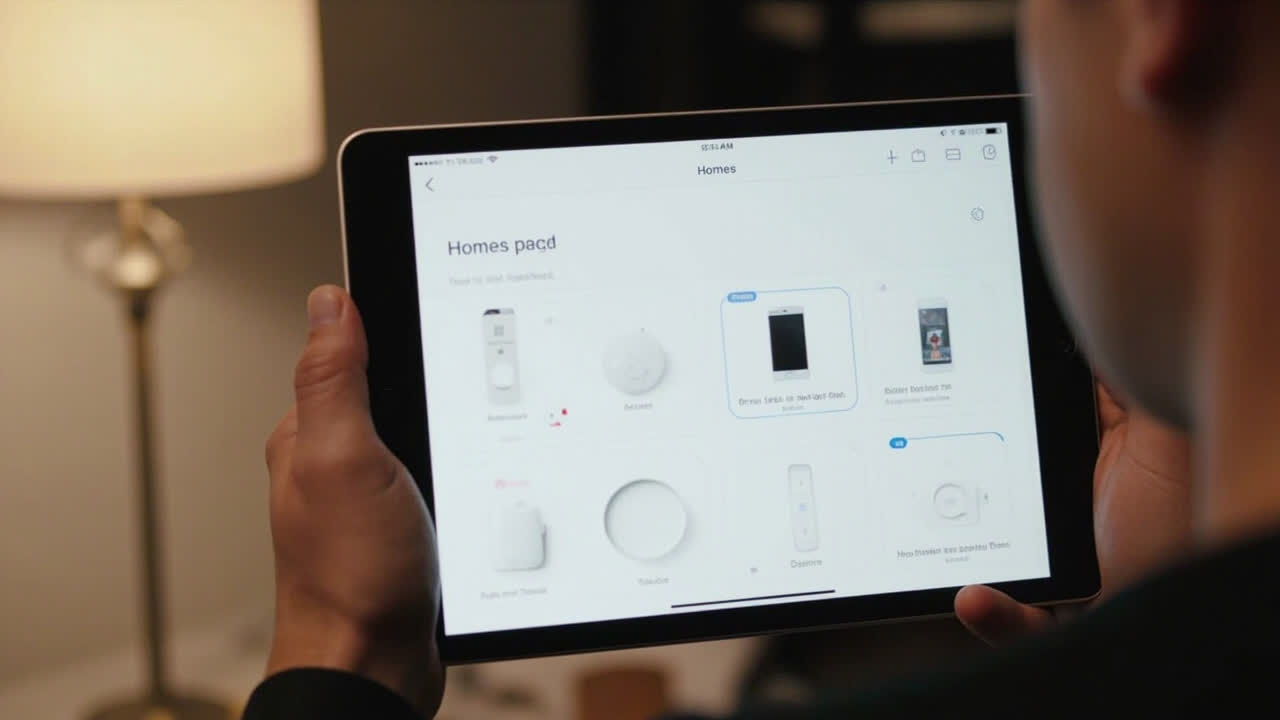
HomeKit is Apple’s smart home platform. It ties devices together in the Home app. It handles automations, scenes, and remote access through a hub.
To use HomeKit, you need a hub. Any HomePod, Apple TV (4th gen or later), or iPad works. That hub runs your automations even when your iPhone is not home.
HomeKit devices go through Apple’s certification program. That process is strict. Manufacturers have to meet security requirements before they can stamp a device as Works with Apple HomeKit.
This is both a strength and a weakness. Devices are vetted.
But fewer devices carry that label. Apple confirms you can add Matter accessories to Apple Home. Not all HomeKit-specific features transfer over.
What Matter Actually Is
Matter is a new standard created by the Connectivity Standards Alliance. Amazon, Google, Apple, and Samsung all signed on. The idea: one certification works across every platform.
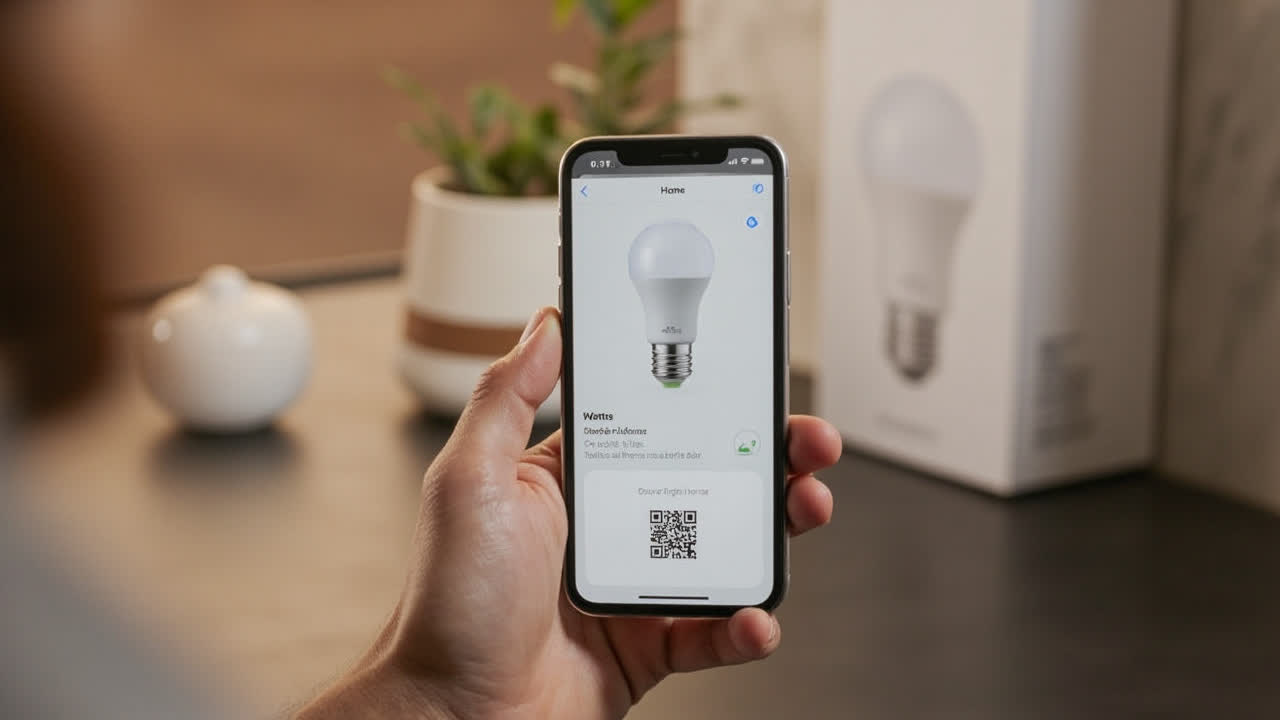
Buy a Matter device, scan a QR code, and it works in Apple Home, Google Home, Alexa, or Samsung SmartThings. One device, all ecosystems. MacWorld called this the biggest shift in smart home history.
Matter runs over Wi-Fi, Ethernet, or Thread. Thread is the preferred method because it uses less power and creates a mesh network. Each Thread device extends your network range.
The Matter standard launched in 2022. By 2026, most major brands have adopted it. Philips Hue, Nanoleaf, TP-Link, Aqara, and Eve all have Matter devices.
Apple added Matter support in iOS 16.1. Your iPhone can pair with Matter devices directly through the Home app.
How They Work Together
Here is what a lot of people miss. Matter and HomeKit are not competitors. They are complementary.
You use the Home app to control everything. Matter devices appear in the Home app alongside HomeKit-only devices. They look identical in the interface.
Apple Developer says Matter accessories work in Apple Home, Siri, Control Center, and third-party HomeKit apps. The integration is transparent once you add a device.
One Reddit user explained it this way. If you see a device with the Matter logo, it will be compatible with Apple Home. Your Home hub is already a Matter Controller.
The Real Difference in Practice
Native HomeKit devices still have advantages. One Reddit user who has been running both for years said native HomeKit support is still best for feature sets, responsiveness, and stability.
Matter over Thread is more reliable than WiFi devices. But HomeKit-native devices that use Thread tend to outperform Matter-only devices in the Apple ecosystem.
The gap is narrowing though. Apple ended support for the original HomeKit architecture in late 2025. Users are now pushed to migrate to the new Apple Home architecture built around Matter.
What Apple Users Should Actually Buy
If you are starting fresh in 2026, buy Matter devices. More options, lower prices, and it works with everything.
If you have existing HomeKit devices, they keep working. No need to rip and replace. Just add Matter devices going forward.
If you want the smoothest Apple experience, stick with HomeKit-certified devices when available. They get every feature Apple rolls out first.
If you want flexibility and cross-platform support, Matter devices are the way to go.
The Security Angle
HomeKit devices are certified to meet Apple’s security standards. Matter has its own security requirements, but they are set by the alliance, not Apple.
For most users, Matter security is fine. For enterprise or high-security users, HomeKit-certified devices offer tighter Apple-specific controls.
The Bottom Line
HomeKit and Matter solve different problems. HomeKit is the platform. Matter is the language devices speak.
Apple users in 2026 should buy Matter devices for new additions. Keep existing HomeKit gear. Use the Home app to control everything. Your hub handles the rest.
The confusion will fade as Matter becomes the default. Eventually, every smart home device will be Matter-compatible. The distinction will stop mattering. Until then, now you know the difference.