

The short answer? Less than you think. Or more. It depends on what you want.
Smart home costs in 2026 span a wide range. You can start with $50 worth of gear. Or you can drop $80,000 on a fully automated mansion.
Most beginners land somewhere in between. This guide breaks down real costs. No fluff. No sales pitch.
What Are You Actually Paying For?
Before we talk numbers, let’s separate the costs. Smart home spending falls into three buckets.
First, you have the devices themselves. Bulbs, plugs, switches, sensors. These are one-time purchases.
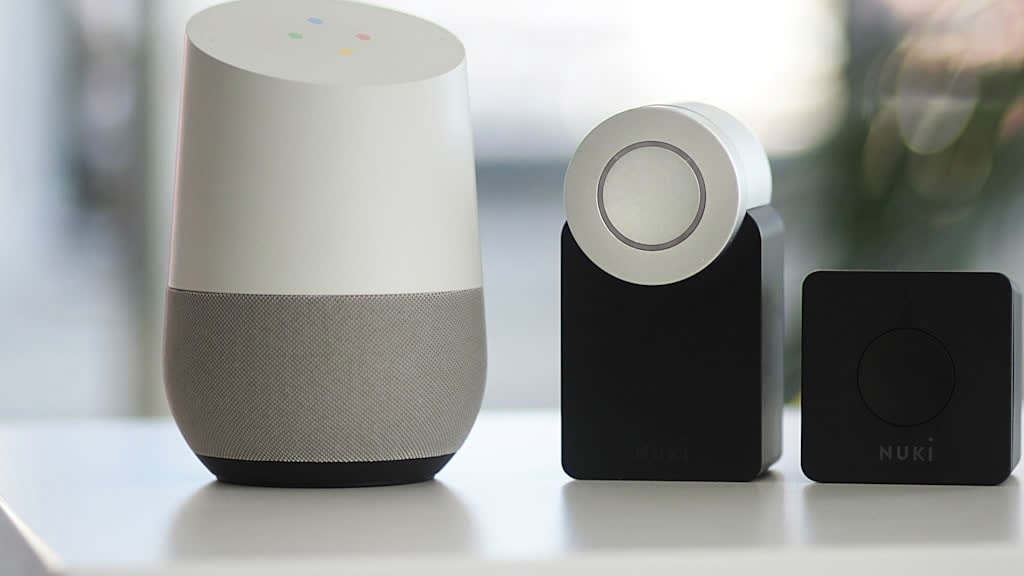
Second, you have the hub or voice assistant. This is your brain.
Third, you have subscription costs. Some devices need cloud accounts. Some don’t. One smart home user pointed out that long-term subscription costs more than upfront prices. A $50 camera with a $10/month subscription costs more than a $150 camera with no subscription over three years.
Quick Smart Home Installation Cost Breakdown
Here is what beginners actually pay in 2026.
| Item | Budget | Mid-Range |
|---|---|---|
| Voice Assistant | $40-$80 | $100-$180 |
| Smart Bulbs (4pk) | $30-$50 | $80-$150 |
| Smart Plugs (2pk) | $20-$30 | $40-$50 |
| Smart Thermostat | $100-$130 | $200-$300 |
| Video Doorbell | $100-$180 | $180-$300 |
| Smart Lock | $100-$200 | $200-$350 |
| Security Camera | $30-$80 | $100-$300 |
The Budget Setup: Under $100
Here’s the truth. You can start a smart home for under $100.
PCWorld found six solid starter gadgets all under $100. A smart speaker costs to . Two or three smart bulbs cost $30 to $40. A couple of smart plugs are $15 to $20.
That’s your starter kit. You can build a basic smart home setup for $150 to $500. That gets you voice control, smart lighting, and a few plugs.
This budget works if you want convenience without going all-in. You get to test the waters. See if you actually use this stuff before spending more.
The Mid-Range Setup: $200 to $1,000
Spend a bit more and you get real versatility.
With $200 to $500, you can cover multiple rooms. Philips Hue bulbs for your main living areas. A couple of smart switches. Maybe a smart thermostat. Nest and Ecobee both run $130 to $250. Angi says smart thermostats cost 0 to 0 each.
For $500 to $1,000, you can add security. A Ring doorbell is $100 to $180. Smart locks run $100 to $300. A few security cameras add another 0 to 0. This is where most homeowners end up.
One smart home user shared their complete setup came to about $6,500. That included Home Assistant, Zigbee, and Z-Wave dongles, multiple cameras, smart locks, and whole-home coverage. That’s not a beginner setup. But it shows what serious automation costs.
Professional Installation: Extra Costs
Want someone else to set it up? That adds to the bill.
HomeAdvisor says professional installation runs around $79 per device, or $1 per day for 24/7 monitoring. Vivint estimates $100 to $300 for a smart thermostat, or $200 to $500 if you include professional installation.
HomeGuide puts it differently. A basic smart home covering essential connected features in select rooms costs $2,000 to $5,000. Mid-range automation runs $5,000 to $15,000. Full luxury automation? $15,000 to $80,000 or more.
Unless you’re building new or really hate DIY, skip professional installation. Most devices are designed for homeowners to install themselves.
Where Not to Skimp
Here’s my take. Some things are worth spending more on. Some aren’t.
Don’t cheap out on your hub or voice assistant. This is the brain of your operation. A reliable Echo Show or Nest Hub is worth the $100 to $180.
Do cheap out on bulbs and plugs first. Test rooms before committing to expensive systems. One Reddit user said they started with IKEA smart bulbs because they’re cheap. Then they replaced the ones they actually used with Philips Hue.
Don’t pay for subscriptions if you can avoid it. Some cameras and security systems require monthly fees. These add up fast. Look for one-time purchase devices instead.
The Real Cost of Ownership
Here’s what nobody tells you. Hardware is just the start.
Energy costs might go up. Smart devices draw power even when “off.” That said, smart thermostats can save you 10-15% on heating and cooling bills, according to Angi. Over a year, that pays for the thermostat itself.
Subscriptions drain money. Cloud storage for cameras. Monitoring fees. Skills and integrations that require paid accounts. Factor these in before you buy.
Replacements happen. Devices break. Ecosystems die. SmartThings has been around for years, but plenty of hubs have not. Build for today, but keep an eye on tomorrow.
My Recommendation for Beginners
Start under $100. Get a voice assistant. Buy two smart bulbs and one smart plug. Use them for a month.
If you’re still excited, add a smart thermostat or a camera. If not, you wasted $100 instead of $1,000.
From there, grow based on what you actually use. Most people overbuy. They automate everything and use three devices daily. Don’t be that person.
The best smart home is one you’ll actually use. The rest is just expensive clutter.
The Bottom Line
Smart home installation costs in 2026 range from $50 to $80,000. For beginners, $100 to $500 is the sweet spot.
Start small. Test what works. Expand only when you know what you need.
Skip subscriptions when possible. Skip professional installation unless you have to. And remember, the best smart home is one you’ll actually use every day.
You don’t need everything on day one. You just need to start.
